The Boys Are Back: Dropkick Murphys Performance Recap | Paddy's Irish Pub
The Boys Are Back
BY Kelsey Sheppard
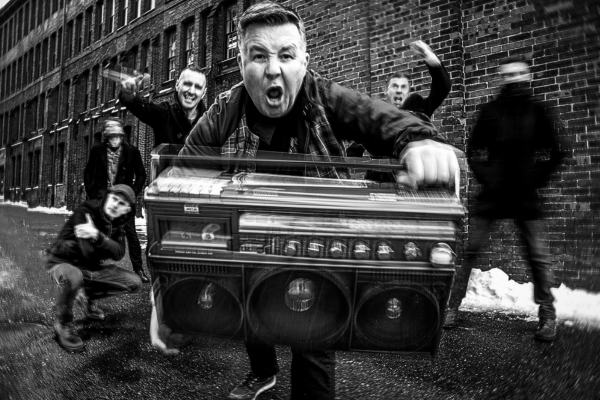
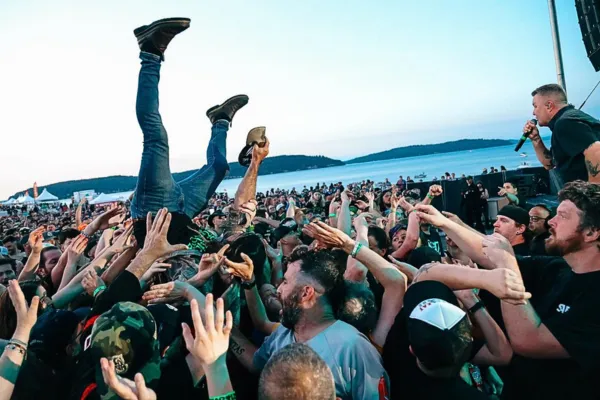
A sea of newsboy caps, Skechers, and polos fills the room—forty-somethings who traded mohawks and chains for dad life and corporate jobs, now shuffling in to mosh and crowd-surf to Dropkick Murphys.
I first saw them in 2022, my return to concerts after COVID wiped my live music calendar clean. It was also my first time at The Orange Peel, an intimate Asheville spot where I’d later catch Flogging Molly, The Rumjacks, and The Interrupters. Despite the crowd skewing older, the energy was anything but—lively, welcoming, and often family-friendly. Ken Casey even pulled an elderly woman onstage during “Shipping Up to Boston.”
Blending Boston punk with Irish folk, the band famously began on a $30 dare. Casey, who had never played an instrument, was challenged by a coworker to form a band for an opening slot. Already working behind the scenes booking shows, he took the leap—and never looked back. Over time, he’s built a reputation as both a scrappy frontman and a genuine philanthropist.
Much of the band’s early success traces back to The Rathskeller, where all-ages matinees helped them grow a loyal following. They brought in out-of-town bands, who returned the favor, expanding Dropkick’s reach city by city.
Onstage, they’re as interactive as ever. Offstage, they stay rooted in community work through the Claddagh Fund. Casey is known for climbing barricades, diving into crowds, and inviting fans up—sometimes too many, as early shows occasionally ended with toppled pyro setups.
Now a seven-piece, their sound layers banjo, flute, accordion, bagpipes, and mandolin into something unmistakably their own—loud, proud, and deeply working class.